Most people don’t think about the difference between a gastroenterologist and a gastro surgeon until they’re already sitting in a waiting room, unsure if they’ve booked the right appointment. Both specialists deal with your stomach, intestines, liver, and digestive tract, and the symptoms that send you looking for either one often look identical at first: bloating, pain, bleeding, a bathroom routine.
The real difference comes down to treatment. A gastroenterologist manages digestive conditions medically, through diet changes, medication, and diagnostic procedures like endoscopy. A gastro surgeon steps in when a condition needs to be physically corrected, removed, or repaired. In practice, many patients bounce between the two: they see a gastroenterologist first, get diagnosed, then get referred out to a separate surgeon weeks later once symptoms don’t resolve. That gap costs time, and with digestive conditions, time is usually the one thing you don’t want to lose.
This is where a gastroenterologist changes the situation. Dr. Akhilesh Sapra is trained in both general and surgical gastroenterology, so the same doctor who diagnoses your condition can also perform the procedure if one turns out to be necessary, without a second referral and a second waiting period.
Below are seven signs that point toward a digestive issue, along with an honest read on whether it typically starts with medical management or needs a surgeon’s opinion sooner rather than later.
1. Gallbladder Pain That Keeps Coming Back
Sharp pain under the right ribs after eating, especially after a fatty meal, is the classic sign of gallstones. A gastroenterologist can confirm the diagnosis with an ultrasound, but recurring gallstone attacks are one of the few digestive issues that medication genuinely can’t fix long-term. Most patients who wait it out end up needing gallbladder removal surgery anyway, often after an emergency episode. Getting a surgical opinion early usually means a planned, minimally invasive procedure instead of a rushed one.
2. Piles That Don’t Respond to Home Care
Mild hemorrhoids often settle down with fiber, hydration, and topical treatment. But if you’re still dealing with bleeding, itching, or a visible lump after a few weeks of home care, that’s your cue to move past self-treatment. Depending on the grade, hemorrhoids treatment can range from a quick in-clinic procedure to surgery for more advanced cases. It’s a common condition, but it’s also one people put off far longer than they should out of embarrassment.
3. Discharge or Recurring Swelling Near the Anus
Persistent discharge, swelling, or an abscess that keeps returning in the same spot is often an anal fistula, a small tunnel that forms after an infection doesn’t heal completely. Antibiotics might calm a flare-up temporarily, but a fistula generally doesn’t close on its own. This is a condition that sits almost entirely in surgical territory. Fistula treatment is usually the only path to actually resolving it rather than managing the symptoms.
4. A Bulge That Wasn’t There Before
A soft bulge in the abdomen or groin that appears when you cough, lift something heavy, or stand for a while is a textbook hernia sign. Some hernias stay painless for months, which is exactly why people ignore them, but a hernia doesn’t heal itself and tends to enlarge over time. Left long enough, it can become trapped or strangulated, turning a planned procedure into an emergency one. If you’ve noticed a bulge, it’s worth getting hernia surgery evaluated before it decides the timeline for you.
5. Rectal Bleeding or a Real Change in Bowel Habits
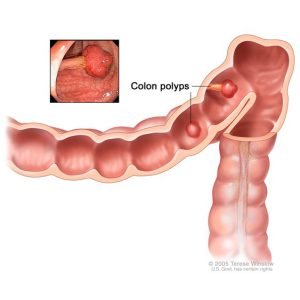
Blood in your stool, or a shift in bowel habits that sticks around for more than two to three weeks, is one of the few symptoms on this list that always warrants a same-week appointment, regardless of your age. It can be something as ordinary as hemorrhoids, but it can also point to colon polyps or colorectal disease, which is why this symptom usually starts with a colonoscopy and can move quickly into colorectal surgery if the findings call for it. We’ve written in more detail about which doctor to see for colorectal problems if you want to read further on this specific symptom cluster.
6. Reflux That Medication Isn’t Fixing
Occasional heartburn is nothing to worry about. But if you’ve been on acid reflux medication for months and you’re still dealing with a burning chest, a sour taste, or waking up coughing at night, the medication is masking the symptom rather than treating the cause. Long-standing, poorly controlled GERD can also start to damage the esophagus over time. This is a case where a gastroenterologist typically manages the first stretch of treatment, but if reflux keeps relapsing every time medication is stopped, a surgical opinion on procedures like fundoplication is the next reasonable step rather than staying on medication indefinitely.
7. Unexplained Weight Loss Alongside Digestive Symptoms
Losing weight without trying, especially alongside bloating, appetite changes, or persistent abdominal pain, is not something to wait out. It can stem from something manageable, but it can also be the digestive system’s way of flagging a more serious condition, including tumors along the laparoscopic surgery pathway that is built to treat. This is exactly the kind of symptom where having one doctor handle diagnosis and treatment, rather than shuttling between two separate specialists, makes a real difference in how quickly you get answers.
Why It Helps to See a Surgeon-Trained Gastroenterologist First?
Notice how most of the symptoms above don’t stay in one lane. A gallbladder attack starts as a gastroenterology visit and often ends in surgery. A hemorrhoid case might resolve with medication, or it might need a procedure. Rectal bleeding always starts with diagnosis but can move to surgery within the same week if the findings call for it.
That overlap is exactly why the medical-vs-surgical split can work against patients. Dr. Akhilesh Sapra holds both an MS in General Surgery and an MCh in Surgical Gastroenterology, alongside fellowships in advanced laparoscopic and robotic surgery. In practice, that means your diagnostic workup and your treatment plan, medical or surgical, come from the same doctor who already knows your case, rather than starting over with someone new if surgery turns out to be the right call. You can read more about his background on the About Us page.
When to Stop Waiting and Book an Appointment?
As a general rule: if a digestive symptom has lasted more than two to three weeks, if it’s getting worse instead of better, or if you notice bleeding, a lump, or unexplained weight loss at any point, that’s your sign to get it checked rather than wait it out. You don’t need to self-diagnose whether it’s a “gastroenterologist problem” or a “surgeon problem” before booking. That’s exactly what the first consultation is for. If you’re dealing with any of the symptoms above, get in touch to book a consultation with Dr. Akhilesh Sapra, one of the few specialists in Dubai qualified to both diagnose and, if needed, surgically treat your condition, without sending you elsewhere to do it.