Digestive problems such as occasional bloating, indigestion, constipation or heartburn are common and often settle with simple lifestyle changes. However, some symptoms should not be ignored, especially when they are persistent, severe, or appear suddenly. Certain red-flag symptoms of gastrointestinal conditions can indicate bleeding, inflammation, obstruction, an ulcer, or another condition that requires medical evaluation. Recognising these warning signs early can help you get the right diagnosis and treatment at the appropriate time.
If you are experiencing persistent digestive symptoms, consulting a qualified gastroenterologist in Dubai can help identify the underlying cause instead of simply treating the symptoms.
What Are Red Flag Symptoms in Gastrointestinal Conditions?
Red flag symptoms are warning signs that may indicate a more serious gastrointestinal problem. Having one of these symptoms does not automatically mean you have a serious disease or cancer. Many of these symptoms can also occur with conditions that are treatable and less serious. However, they should be assessed by a medical professional, particularly when they are persistent, worsening, unexplained, or associated with other symptoms.
1. Blood in the Stool
Blood in your stool should never be ignored. It may appear as bright red blood, dark red blood, or black, tar-like stool. The appearance of the blood can sometimes provide clues about where bleeding may be occurring in the digestive tract.
Possible causes include:
- Hemorrhoids
- Anal fissures
- Stomach or intestinal ulcers
- Inflammatory bowel disease
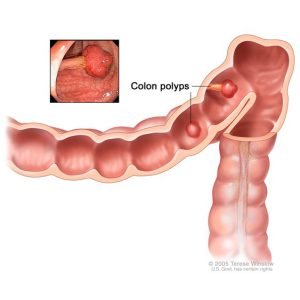
- Polyps
- Diverticular disease
- Gastrointestinal bleeding
- Colorectal or other gastrointestinal cancers
Black or tarry stools and vomiting blood can indicate gastrointestinal bleeding and require prompt medical attention. Do not assume that rectal bleeding is simply hemorrhoids, particularly if it is recurrent or accompanied by changes in bowel habits, abdominal pain, fatigue or unexplained weight loss.
2. Unexplained Weight Loss
Losing weight without intentionally changing your diet or exercise routine is another symptom that deserves attention. Unexplained weight loss can occur for many reasons, including digestive disorders that affect appetite, digestion or nutrient absorption. It can also occur with inflammatory conditions and, in some cases, gastrointestinal cancers.
If you are losing weight without trying, particularly when it occurs alongside abdominal pain, persistent diarrhea, vomiting, difficulty swallowing or changes in bowel habits, speak with a doctor.
3. Persistent or Severe Abdominal Pain
Occasional stomach discomfort may not be concerning. Persistent or severe abdominal pain is different. Pain that continues, repeatedly returns, becomes progressively worse, or interferes with your daily activities should be evaluated.
Depending on the location and associated symptoms, abdominal pain may be linked to conditions involving the:
- Stomach
- Intestines
- Gallbladder
- Pancreas
- Liver
- Appendix
- Colon
Severe abdominal pain accompanied by vomiting, fever, abdominal swelling, fainting, blood in the stool or inability to pass stool or gas may require urgent medical assessment.
4. Difficulty or Pain When Swallowing
Feeling that food is getting stuck, having difficulty swallowing, or experiencing pain while swallowing is known as dysphagia or odynophagia, depending on the symptom. These symptoms can be associated with conditions affecting the esophagus, including reflux-related complications and narrowing of the food pipe.
Difficulty swallowing is one of the symptoms that should be medically evaluated rather than repeatedly treated with over-the-counter medication. NIDDK also lists swallowing problems or painful swallowing among symptoms requiring medical evaluation in people with reflux symptoms. If swallowing suddenly becomes extremely difficult or you cannot swallow liquids, seek urgent medical care.
5. Persistent Vomiting
Vomiting occasionally can happen because of food poisoning, infections, medication side effects or other temporary conditions. However, persistent or recurrent vomiting can lead to dehydration and may indicate an underlying gastrointestinal problem.
Medical evaluation is especially important when vomiting is accompanied by:
- Severe abdominal pain
- Blood in vomit
- Coffee-ground-like vomit
- Dizziness or fainting
- Significant weight loss
- Difficulty swallowing
- Abdominal swelling
- Inability to keep fluids down
Vomiting blood or material that looks like coffee grounds can be a sign of upper gastrointestinal bleeding and requires prompt medical attention.
6. Persistent Changes in Bowel Habits
A sudden or persistent change from your normal bowel pattern should not always be dismissed as diet-related.
Changes may include:
- Persistent diarrhea
- New or persistent constipation
- Going to the toilet much more or less frequently
- Changes in stool consistency
- Feeling that the bowel has not emptied completely
- Alternating diarrhea and constipation
Persistent changes in bowel habits, especially when combined with blood in the stool, abdominal pain, unexplained weight loss or fatigue, should be investigated.
7. Persistent Heartburn or Acid Reflux
Occasional heartburn is common. But frequent or persistent acid reflux may indicate gastroesophageal reflux disease (GERD). You should speak to a doctor if heartburn keeps returning, does not improve with lifestyle changes or appropriate over-the-counter treatment, or is associated with warning symptoms such as:
- Difficulty swallowing
- Painful swallowing
- Persistent vomiting
- Unexplained weight loss
- Loss of appetite
- Blood in vomit
- Black or bloody stool
These symptoms may indicate complications or another condition that needs further evaluation.
8. Persistent Bloating or Abdominal Swelling
Bloating is extremely common and can result from diet, constipation, food intolerance or excess gas. However, persistent or unexplained bloating, particularly when it is accompanied by abdominal pain, vomiting, weight loss, changes in bowel habits or loss of appetite, should be discussed with a doctor. The important factor is a change from your normal pattern. If bloating is new, persistent or progressively worsening, finding the underlying cause is more useful than repeatedly masking the symptom.
9. Unexplained Anaemia or Persistent Fatigue
Feeling tired after a busy day is normal. Persistent fatigue without an obvious explanation can be different. Chronic gastrointestinal bleeding can sometimes be small enough that it is not visible but can gradually contribute to anaemia. Symptoms of anaemia may include tiredness, pale skin, shortness of breath and dizziness. If blood tests show unexplained iron-deficiency anaemia, your doctor may recommend investigating the digestive tract to identify a possible source of blood loss.
10. Jaundice or Yellowing of the Skin and Eyes
Yellowing of the skin or whites of the eyes is known as jaundice. Because the liver, gallbladder and bile ducts are part of the digestive system, jaundice can sometimes be associated with hepatobiliary conditions, including problems affecting bile flow. Jaundice should be medically evaluated, particularly if it occurs with abdominal pain, dark urine, pale stools, fever, nausea or vomiting.
11. A Family History of Gastrointestinal Disease or Cancer
Your family history is not a symptom, but it can be an important risk factor.
Tell your doctor if close family members have had conditions such as:
- Colorectal cancer
- Colon polyps
- Crohn’s disease
- Ulcerative colitis
- Other significant gastrointestinal conditions
Depending on your age, symptoms and family history, your doctor may recommend screening or diagnostic tests.
When Should You See a Gastroenterologist in Dubai?
You do not need to wait until your symptoms become severe before seeking medical advice. Consider consulting a gastroenterologist in Dubai if you have persistent digestive symptoms such as abdominal pain, recurrent heartburn, unexplained weight loss, ongoing diarrhea or constipation, difficulty swallowing, persistent vomiting, or blood in your stool.
A gastroenterologist can assess your symptoms, medical history and risk factors and determine whether you need further investigations such as blood tests, stool tests, endoscopy, colonoscopy or imaging.
If you are looking for the best gastroenterologist in Dubai, consider factors such as relevant qualifications, experience with your particular condition, access to appropriate diagnostic facilities, communication, and a patient-focused approach.
Are Red Flag Symptoms Always a Sign of Cancer?
No.
This is an important point. Blood in the stool, abdominal pain, weight loss, changes in bowel habits and other warning signs can have many different causes. Hemorrhoids, ulcers, infections, inflammatory bowel disease, reflux disease and other non-cancerous conditions can produce similar symptoms. However, symptoms that are persistent, unexplained or associated with multiple warning signs should not be ignored simply because they could have a less serious explanation.
The purpose of recognising red flags is not to assume the worst. It is to make sure that potentially important conditions are investigated early.
What Tests Might a Gastroenterologist Recommend?
The tests you need depend entirely on your symptoms and medical history.
A gastroenterologist may recommend:
Blood Tests
Blood tests can help identify anaemia, inflammation, infection, liver abnormalities and other possible causes of symptoms.
Stool Tests
Stool testing may be used to look for blood, infection or other indicators depending on the symptoms.
Upper GI Endoscopy
An upper endoscopy allows a specialist to examine the esophagus, stomach and the beginning of the small intestine and, when appropriate, take tissue samples or treat certain problems.
Colonoscopy
A colonoscopy allows the doctor to examine the colon and rectum. It may be recommended for symptoms such as unexplained rectal bleeding, persistent bowel changes or for appropriate colorectal cancer screening.
Imaging Tests
Depending on the suspected condition, ultrasound, CT, MRI or other imaging tests may be recommended.
The goal is not to perform every test on every patient. The appropriate investigation depends on the individual symptoms and clinical assessment.
When Is a Gastrointestinal Symptom an Emergency?
Some symptoms require immediate medical attention rather than waiting for a routine gastroenterology appointment.
Seek urgent medical care if you experience:
- Vomiting blood or coffee-ground-like material
- Black, tarry stools
- Heavy or ongoing gastrointestinal bleeding
- Fainting, severe dizziness or confusion associated with bleeding
- Severe or rapidly worsening abdominal pain
- Persistent vomiting with inability to keep fluids down
- Severe abdominal swelling with vomiting or inability to pass stool or gas
- Sudden difficulty swallowing or inability to swallow
Severe gastrointestinal bleeding can cause dizziness, fainting, shortness of breath and, in severe cases, shock.
Don’t Ignore Persistent Digestive Symptoms
Most digestive symptoms do not mean that you have a serious disease. However, persistent or unusual symptoms deserve proper attention.
Blood in the stool, unexplained weight loss, persistent abdominal pain, difficulty swallowing, ongoing vomiting, significant bowel changes and other red flags can have several causes, and only a medical evaluation can determine what is responsible.
If you have ongoing digestive concerns, consulting an experienced gastroenterologist in Dubai can help you understand the cause of your symptoms and determine the next appropriate step.
Dr. Akhilesh Sapra provides specialist gastrointestinal care, including evaluation and treatment of a range of digestive conditions and endoscopic and minimally invasive procedures.
If you are searching for the best gastroenterologist in Dubai, do not ignore persistent warning signs. Early medical evaluation can help identify problems sooner and ensure that you receive appropriate treatment.
Frequently Asked Questions
What are the biggest red flag symptoms for gastrointestinal conditions?
Some important warning signs include blood in the stool, black or tarry stools, unexplained weight loss, persistent abdominal pain, difficulty swallowing, persistent vomiting, and significant changes in bowel habits.
When should I see a gastroenterologist in Dubai?
You should consider seeing a gastroenterologist if digestive symptoms are persistent, recurrent, worsening, unexplained, or affecting your daily life. Warning signs such as gastrointestinal bleeding, unexplained weight loss or difficulty swallowing should be assessed promptly.
Does blood in stool always mean cancer?
No. Blood in the stool can have several causes, including hemorrhoids, anal fissures, ulcers, inflammatory bowel disease and other conditions. However, unexplained or recurrent bleeding should be evaluated by a healthcare professional.
Is unexplained weight loss a gastrointestinal red flag?
Yes. Unintentional weight loss can have many causes, including digestive disorders and other medical conditions. It is particularly important to seek medical advice when weight loss occurs together with abdominal pain, persistent vomiting, bowel changes or difficulty swallowing.
How can I choose the best gastroenterologist in Dubai?
Look for a qualified specialist with appropriate gastroenterology or gastrointestinal surgery training, relevant experience, access to diagnostic facilities and a patient-focused approach. Your symptoms and the type of care you require should also guide your choice.
Medical disclaimer: This article is intended for general educational purposes and does not replace an examination, diagnosis or treatment plan from a qualified healthcare professional. If you have severe or rapidly worsening symptoms, seek urgent medical care.